
 Illustration · Full upper archBeforeAfter
Veneers, crowns and implants planned for a natural result, not the "Turkey teeth" look
Drag each picture to compare. Below the gallery: what good cosmetic dentistry looks like, why the most dramatic photographs are a warning, and how you preview your result before any work starts.
Choose a treatment, or browse them all. Move across a picture, or drag on a phone, to compare.
27 cases · 9 treatments
Patient photographs are being added with each patient’s consent. Until then, cases show a neutral illustration.
Illustration · Full upper archBeforeAfterIllustration · Full upper archBeforeAfterIllustration · Full upper archBeforeAfter
 Illustration · Full lower archBeforeAfterIllustration · Full lower archBeforeAfterIllustration · Full lower archBeforeAfter
 Illustration · Upper back teethBeforeAfterIllustration · Upper back teethBeforeAfterIllustration · Upper back teethBeforeAfter
 Illustration · A missing molarBeforeAfterIllustration · A missing molarBeforeAfterIllustration · A missing molarBeforeAfter
 Illustration · Upper smile lineBeforeAfterIllustration · Upper smile lineBeforeAfterIllustration · Upper smile lineBeforeAfter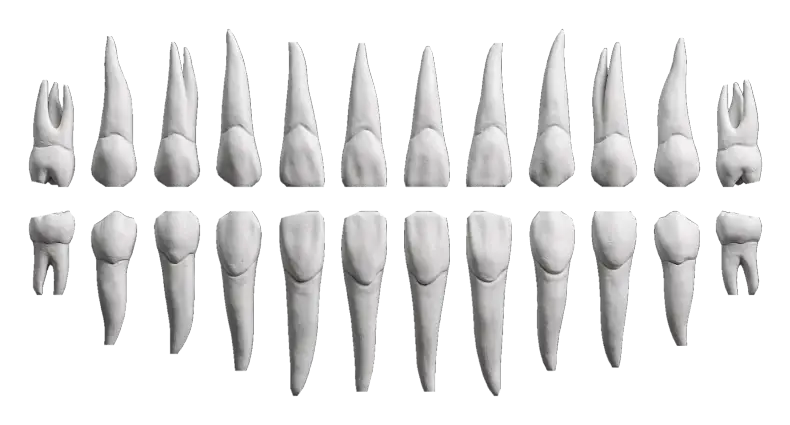
 Illustration · Gum lineBeforeAfterIllustration · Gum lineBeforeAfterIllustration · Gum lineBeforeAfter
 Illustration · Upper and lower smileBeforeAfterIllustration · Upper and lower smileBeforeAfterIllustration · Upper and lower smileBeforeAfter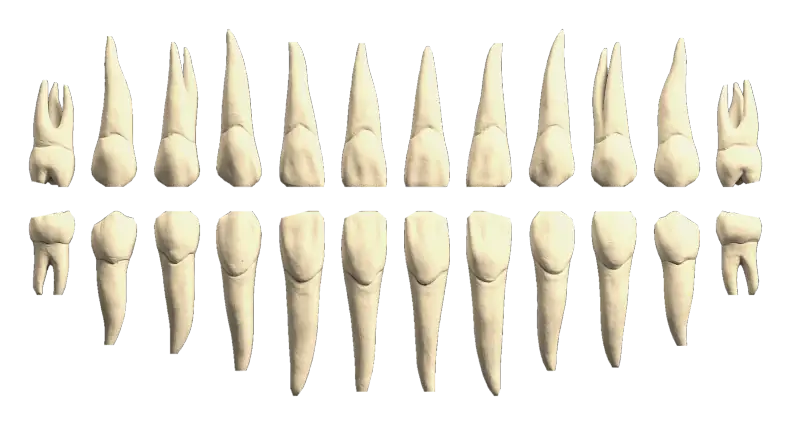
 Illustration · Visible teethBeforeAfterIllustration · Visible teethBeforeAfterIllustration · Visible teethBeforeAfter
 Illustration · Front teethBeforeAfterIllustration · Front teethBeforeAfterIllustration · Front teethBeforeAfter
No cases match this filter yet.
The features are subtle and specific, and once you have seen them you cannot unsee the alternative.
| Treatment | Achieves | Does not achieve |
|---|---|---|
| Whitening | Several shades lighter on natural teeth, no tooth removed | Any change to shape, alignment or existing crowns |
| Bonding | Chips, small gaps, minor shape changes, reversible | Major colour change on dark teeth, or correcting significant crowding |
| Veneers | Shape, shade and minor alignment, with minimal enamel removal | Correcting real crowding — that needs orthodontics first |
| Crowns | Restoring heavily damaged or root-treated teeth | A cosmetic shortcut on a healthy tooth; far more tooth is removed |
| Implants | Replacing a missing tooth without touching the neighbours | An instant result — integration takes 3–6 months |
| Orthodontics | Genuinely moving teeth into position | A fast result, and it is rarely sensible to do abroad |
A specific, recognisable pattern. It is not really about Turkey — the same work is done everywhere — but the phrase stuck.
Removing that much tooth structure is irreversible and frequently exposes or approaches the pulp. A meaningful proportion of aggressively prepared teeth need root canal treatment afterwards, and a tooth that has been crowned needs re-crowning every 10–15 years for the rest of your life. The cosmetic complaint is the least serious part.
The one genuine advantage of cosmetic dentistry over surgery: you can see the result before committing to it.
The smile design planner on this site lets you work through shade, unit count and shape beforehand, so you arrive at the consultation with a view rather than a vocabulary gap.
Turkish health advertising regulation restricts them, as do rules in several countries our patients live in. There is also a second problem specific to dentistry: the most impressive photographs often show the worst work.
Usually 8–10 for a complete-looking smile. Sixteen or twenty means teeth were treated that did not need treating, and the units you did not need are permanent.
A veneer is a thin facing needing minimal enamel removal. A crown encircles the tooth and takes 60–70% of it away. Crowning a healthy tooth for cosmetic reasons is the central problem behind "Turkey teeth".
Only slightly. Real crowding corrected with veneers means it was ground away rather than moved. Where alignment is the issue, orthodontics should come first — at home, where the follow-up is.
A single flat shade brighter than natural enamel, no variation between teeth, opaque flat edges with no translucency, a straight incisal line, and teeth thicker than the originals. Once you see the pattern you cannot unsee it.
Yes — a digital design over a photograph of your face, then a wax-up, then a mock-up in your mouth that you can speak and smile with. Preparation happens only after you have approved the design.
Stop there. It costs a day and nothing irreversible. Skipping it means teeth are prepared to a result nobody agreed on, and you only see whether you like it once the enamel is gone.
Typically 10–15 years with good hygiene, longer for well-fitted E-max in a healthy mouth. They are replaced, not permanent, and each replacement needs the tooth prepared again.
Some sensitivity for a few weeks is normal. Prolonged or severe sensitivity usually means too much tooth was removed or a margin is not sealed, and it needs assessing rather than waiting out.
Properly prepared veneers, no. Aggressive crown preparation on healthy teeth is a different matter — a meaningful proportion need root canal treatment afterwards, which is one reason we quote fewer units.
Because we quote what your teeth need rather than what you asked for. It loses us enquiries to clinics quoting twenty units, and we think that is the right outcome.
No. It needs frequent in-person adjustment over 12–24 months, which is exactly the thing treatment abroad handles worst. Have it at home, then consider cosmetic work afterwards if you still want it.
