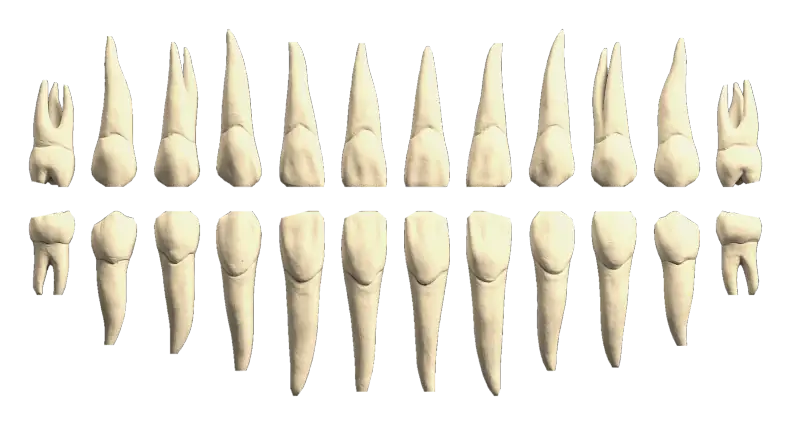
 Illustration · Visible teethBeforeAfter
2026 prices, how many shades you can realistically expect, and when it will not work
Professional whitening uses hydrogen or carbamide peroxide to break down the stain molecules inside the enamel. At Valentmedica it costs £180–£380 depending on method, takes one appointment, and removes nothing from the tooth — which is why it is worth trying before you consider veneers.

Patients treated in Istanbul with Valentmedica, photographed under standardised lighting with a shade guide in frame, because whitening results shown under studio lights are meaningless.
Whitening uses a peroxide gel that penetrates the enamel and breaks apart the large stain molecules trapped inside it. Nothing is removed from the tooth and no material is added — the existing enamel simply becomes lighter.
This is worth understanding because it explains both what whitening can and cannot do. It lifts discolouration that sits within the tooth structure: coffee, tea, red wine, tobacco and the natural yellowing of age. It cannot change the colour of anything that is not natural tooth — crowns, veneers, composite fillings and bonding all stay exactly as they are.
It also explains why results vary. Yellow-toned teeth respond very well, because yellow discolouration is largely organic and breaks down readily. Grey-toned teeth, particularly from tetracycline staining in childhood, respond poorly — the colour sits deeper and is structural rather than deposited.
| Method | Peroxide strength | Time | Typical result |
|---|---|---|---|
| In-clinic (laser or light) | 35–40% hydrogen peroxide | 60–90 min, one visit | 4–6 shades |
| Custom home trays | 10–16% carbamide peroxide | 2 weeks, 1–2 hrs daily | 3–6 shades |
| Combined | Both | One visit plus 2 weeks | 6–8 shades |
| Shop-bought strips | ~6% or less | 2–4 weeks | 1–2 shades |
The combined approach gives the best and most durable result: the in-clinic session does the heavy lifting in one sitting, and the home trays consolidate it and let you top up for years afterwards without paying again.
Valentmedica charges £180–£380 depending on method. The equivalent in the UK is typically £350–£900, and most patients add whitening to another treatment rather than travelling for it alone.
| Treatment | Price (GBP) | Sessions | Expected shades |
|---|---|---|---|
| In-clinic whitening | £180–£240 | 1 visit | 4–6 |
| Custom home trays and gel | £150–£200 | Trays made in 1 visit | 3–6 |
| Combined, clinic plus trays | £300–£380 | 1 visit plus home | 6–8 |
| Internal whitening, per tooth | £120–£180 | 2–3 visits | Varies |
| Replacement gel syringes | £25–£40 | Top-ups | — |
Honestly: do not. Flights will cost more than the treatment. Whitening makes sense as an addition to another trip — before veneers on the upper arch so the lower teeth match, after implant work, or alongside a dental check-up. Most Valentmedica whitening patients are already in Istanbul for something else.
Elsewhere you usually pay for the operation alone. A Valentmedica package also includes your hospital stay, hotel, transfers and a personal coordinator.
Prices are indicative ranges in pounds. France, Italy and Spain: estimated from private prices in Germany.
Build your comparison
UK quote, typically
Valentmedica package
Indicative figures, not a quote. Bars show the usual range in each market; overseas figures are typically surgeon and facility only. Flights are an estimate for a return economy fare. Your price is confirmed in writing after a clinician has reviewed your case.
Whitening works best on healthy natural teeth with yellow-toned discolouration. It does nothing for crowns, veneers or fillings, and it will not fix grey tetracycline staining.
Our self-check below gives you an honest answer, and a Valentmedica dentist reviews your photographs free of charge before you commit to anything.
One visit of sixty to ninety minutes, usually added to a trip you are already making.
You send photographs. A dentist assesses whether whitening will achieve what you want, and flags any crowns, veneers or fillings that will not change.
Your driver meets you at Istanbul airport and takes you to the hotel.
Decay and gum health are checked, and a professional clean removes surface staining first. Whitening a dirty tooth whitens the deposit, not the tooth.
Your starting shade is recorded against a standard guide and photographed, so the result can be judged honestly rather than by memory.
Gums and lips are isolated and protected, the peroxide gel is applied in two to four cycles of roughly fifteen minutes, and a light or laser is used to accelerate it.
The gel is removed, desensitising gel applied, and the final shade recorded and photographed beside the starting shade.
Impressions are taken and custom trays made for you to collect before flying home.
Fly home with your gel, trays and written aftercare instructions.
Nothing that would stain a white shirt.
The hospital and hotel you will be using, and the specifics you can check before you pay a deposit.


The facility is named to you in writing, with its licence and accreditation numbers, so you can verify it rather than take our word for it. If you would like to see the building, ask: we can usually arrange a visit before you decide.
Sixty to ninety minutes in the chair. Nothing is drilled, nothing is injected and no anaesthetic is needed.
Expect sensitivity to cold for one to three days and avoid anything staining for the first 48 hours, while the enamel pores are temporarily open.
Professional whitening is among the safest procedures in dentistry when carried out by a dentist with proper gum protection. The risks come from unsupervised high-strength gel, not from the chemistry itself.
Valentmedica works with licensed dental clinics in Istanbul whose dentists are registered with the Turkish Ministry of Health. Whitening is always preceded by an examination, because applying peroxide over untreated decay or exposed roots is what turns a safe procedure into a painful one.
If you have crowns or veneers at the front, discuss the sequence first. Whitening the natural teeth and then replacing the restorations to match is a reasonable plan; whitening afterwards is not, because the new restorations will no longer match.
It is usually part of a sequence rather than a treatment on its own. The order matters more than anything else here.
The rule is simple: whiten natural teeth first, then make any restorations to match the new shade. Doing it the other way round leaves you with crowns that no longer match the teeth beside them.
If you are considering a full Hollywood smile, ask your dentist whether whitening plus minor bonding would get you most of the way there. For some patients it genuinely does, and it leaves every option open.
Have any decay treated first, clear your diary of staining food for two days afterwards, and use sensitive toothpaste for a week beforehand if you are prone to sensitivity.
Most patients gain four to eight shades on natural teeth. The result lasts one to three years, and can be topped up with home trays for the cost of a gel syringe.
Judge the result at one week rather than on the day. Teeth look brightest immediately after treatment because the enamel is dehydrated, and they settle slightly darker as they rehydrate over the following days. That rebound is normal and is why reputable clinics photograph against a shade guide rather than relying on the mirror in the surgery.
Longevity depends almost entirely on diet and smoking. A heavy coffee drinker who smokes may see noticeable regression within a year; someone who drinks mostly water and uses a straw for anything dark can hold the shade for three. Custom trays are what make this economical — a night or two of gel every six to twelve months maintains the result indefinitely. You can see standardised before and after shots in our dental before and after gallery.
At Valentmedica, £180–£240 for an in-clinic session, £150–£200 for custom home trays, or £300–£380 for both. The UK equivalent is typically £350–£900. Most patients add it to a trip they are already making, since flights would cost more than the treatment.
Typically four to six shades from an in-clinic session, and six to eight if you combine it with home trays. Yellow-toned teeth respond best. Grey tetracycline staining responds poorly and may need veneers instead.
Not at professional concentrations applied correctly. Whitening works by breaking down stain molecules within the enamel, not by removing tooth structure. The real risk is repeated overuse of unsupervised high-strength gel bought online.
No. Porcelain and composite do not change colour. If you have restorations in your visible smile, whitening the natural teeth around them will make the mismatch more obvious, and you may need those restorations replaced to match.
The procedure itself is not — no drilling, no injection. Afterwards, sensitivity to cold for one to three days is common. Desensitising gel and a sensitive toothpaste manage it, and it settles completely.
One to three years, depending on how much coffee, tea, red wine and tobacco you consume. With custom trays you can top up for a night or two every six to twelve months at the cost of a gel syringe.
For 48 hours after treatment, avoid anything that would stain a white shirt — coffee, tea, red wine, cola, curry, tomato sauce, berries, soy sauce and smoking. The enamel is temporarily porous and will absorb colour readily.
Before, always. Whiten the natural teeth first, then have any veneers or crowns made to match the new shade. Doing it the other way round leaves restorations that no longer match the teeth beside them.
Usually yes, but tell your dentist. A lower-strength tray protocol over a longer period is far gentler than a single high-strength session, and using a potassium nitrate toothpaste for a fortnight beforehand makes a real difference.
Staining type. Yellow discolouration from food, drink and ageing breaks down readily. Grey and banded staining, usually from tetracycline antibiotics taken in childhood, sits deeper in the tooth structure and responds poorly to any amount of peroxide.
Faster, not necessarily better. The light accelerates the reaction so you see most of the change in one visit, but a well-used tray system over two weeks reaches a similar place. Combining them gives the strongest and most durable result.
It is routinely deferred. There is no strong evidence of harm, but elective cosmetic treatment involving peroxide is normally postponed until after pregnancy and breastfeeding as a precaution.
Short, unscripted videos from patients who travelled with us, including teeth whitening.
Answer 6 quick questions to see whether whitening is likely to give you the result you want. No personal details needed to see your result.
Answer honestly; there are no wrong answers. You will see your result straight away.
Based on your answers, professional whitening is likely to give you a good result. The next step is a free review of your photographs by our dental team.
It could still help, but your staining type or existing restorations may limit what is achievable. Our dentist will tell you honestly what to expect.
Based on your answers, dental treatment should come before any whitening. Our team is happy to talk through your options, with no obligation.
This self-check is for guidance only and is not a medical diagnosis. Your dentist will confirm what is achievable after examining your teeth.
